Ensure Uninterrupted Power with Expert Generator Setup
Installing a backup generator provides reliable power during outages, ensuring continuous operation of essential appliances and systems. It enhances safety, comfort, and security for residential properties by preventing disruptions caused by power failures.
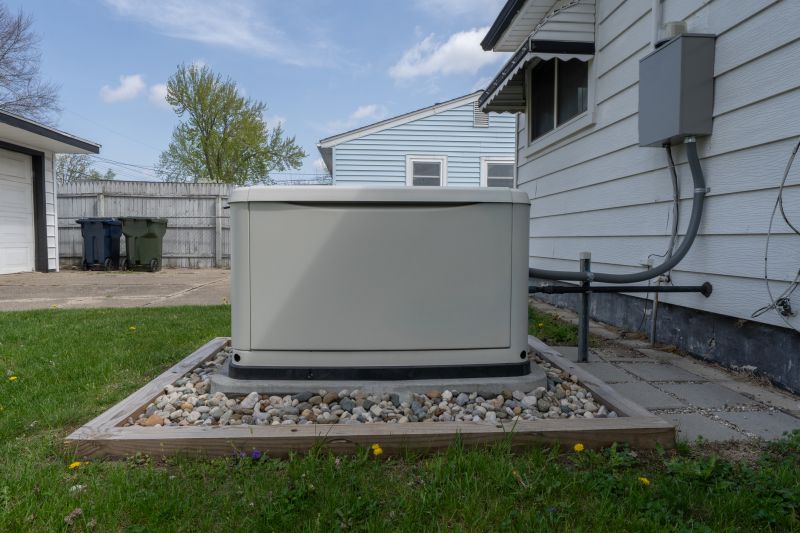
A home backup generator seamlessly integrates with residential electrical systems to provide automatic power restoration during outages.
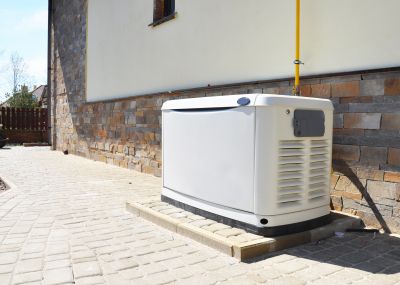
Detailed view of a backup generator installed in a residential yard, highlighting durability and design.
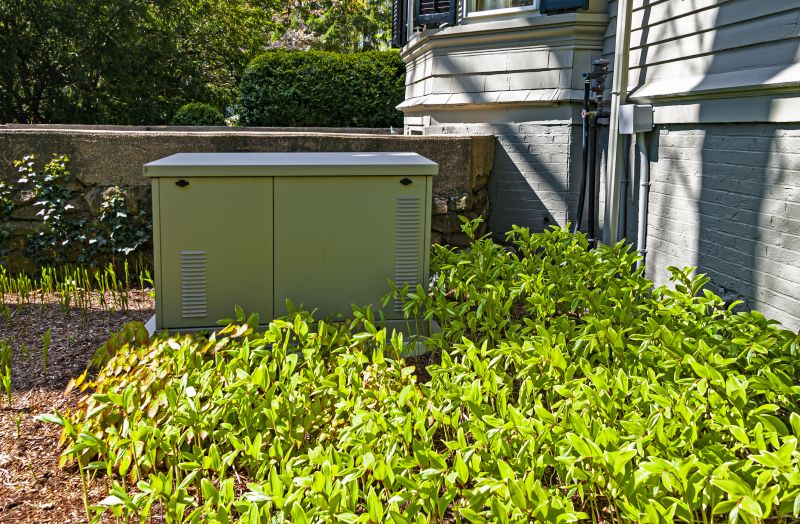
A backup generator positioned in a garage, ready to supply power to a household during emergencies.
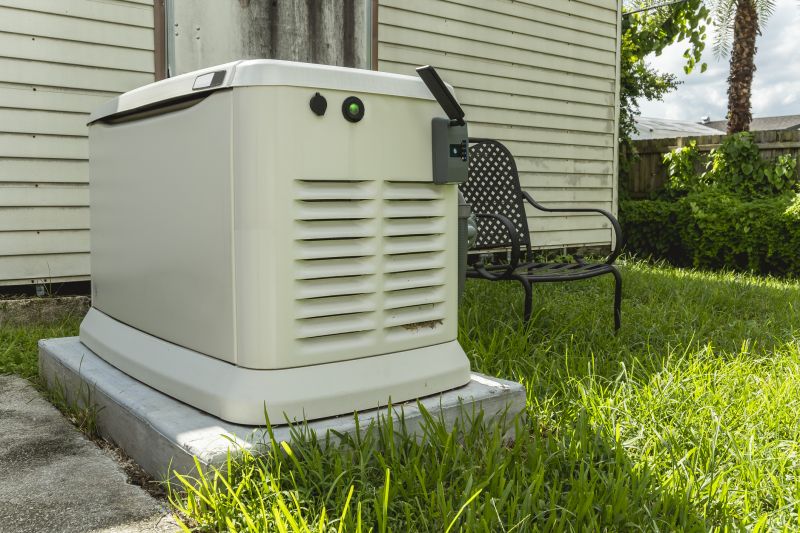
An outdoor backup generator setup designed to withstand weather conditions while providing reliable backup power.
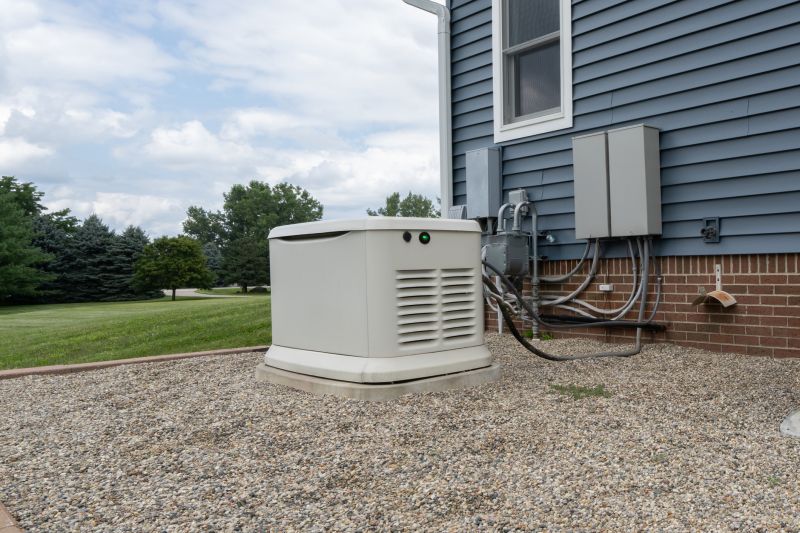
A comprehensive view of a residential backup power system, emphasizing integration with home electrical panels.
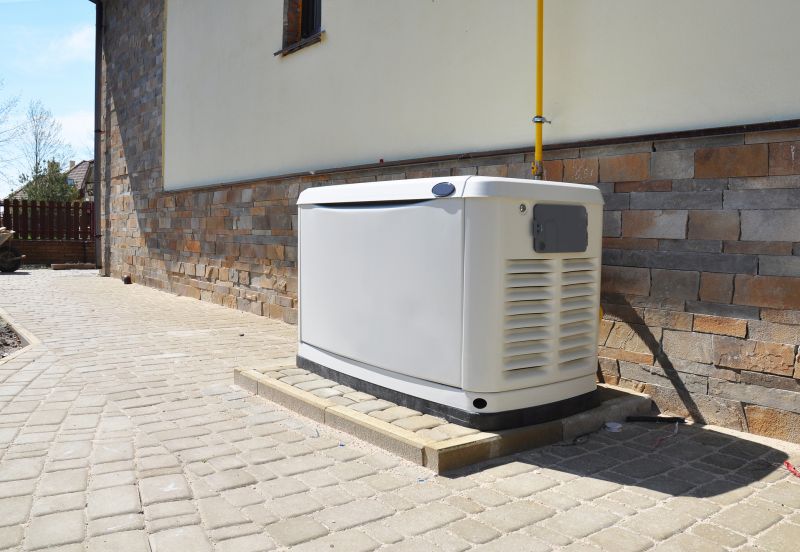
A backup generator installed adjacent to a modern home, ensuring uninterrupted power supply.
The process of installing a backup generator typically involves an assessment of the property’s electrical load, site preparation, and integration with existing electrical systems. The installation duration varies based on system size and site complexity but generally takes between one to three days. Proper placement and professional installation ensure safety, efficiency, and compliance with local codes.
A backup generator provides peace of mind by ensuring continuous power supply during outages, preventing food spoilage, maintaining security systems, and supporting medical devices.
Having a backup generator reduces inconvenience, enhances safety, and can increase property value by providing reliable power regardless of external conditions.
Installation usually takes one to three days, depending on system size, site conditions, and electrical requirements, with minimal disruption.
Automatic transfer switches enable generators to activate promptly during outages, ensuring seamless power continuity without manual intervention.
Statistics show that residential power outages can last several hours to days, depending on weather and infrastructure. Installing a backup generator significantly reduces the impact by providing immediate power restoration, which is critical for homes with medical needs, home security systems, or home offices. The investment in a backup generator is a proactive step toward maintaining household stability and safety.
| Aspect | Details |
|---|---|
| Average Installation Time | 1 to 3 days |
| Generator Capacity Range | 7 kW to 22 kW typically suitable for residential use |
| Power Outage Duration Reduction | Reduces outage impact from hours to minutes |
| Cost Range | Varies based on capacity, generally between $3,000 and $10,000 |
| Maintenance Frequency | Annual inspections recommended |
| Automation Features | Most systems include automatic transfer switches |
| Property Value Impact | Can increase property value and appeal |
| Reliability Rate | Over 99% uptime during outages |
Investing in a backup generator offers tangible benefits, including enhanced safety, reduced inconvenience during outages, and increased peace of mind. Proper installation ensures optimal performance and safety, making it a valuable addition to any residential property.
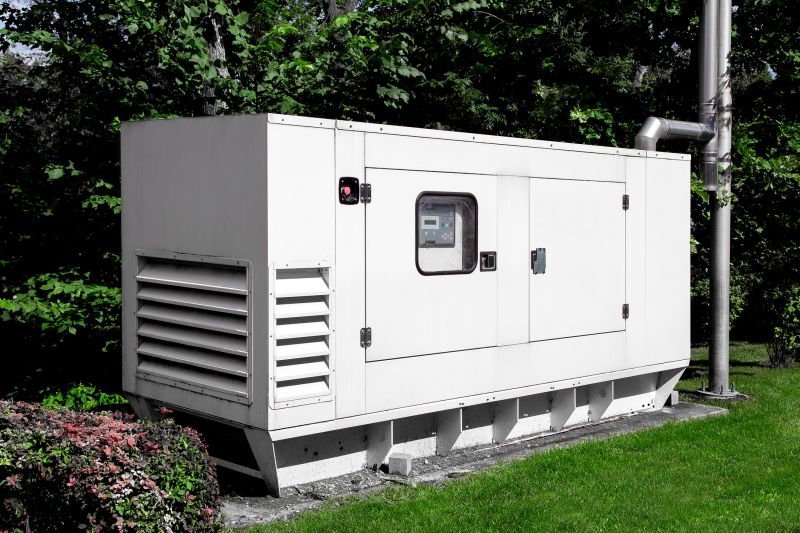
A backup generator installed in a backyard, ready to provide power during outages.
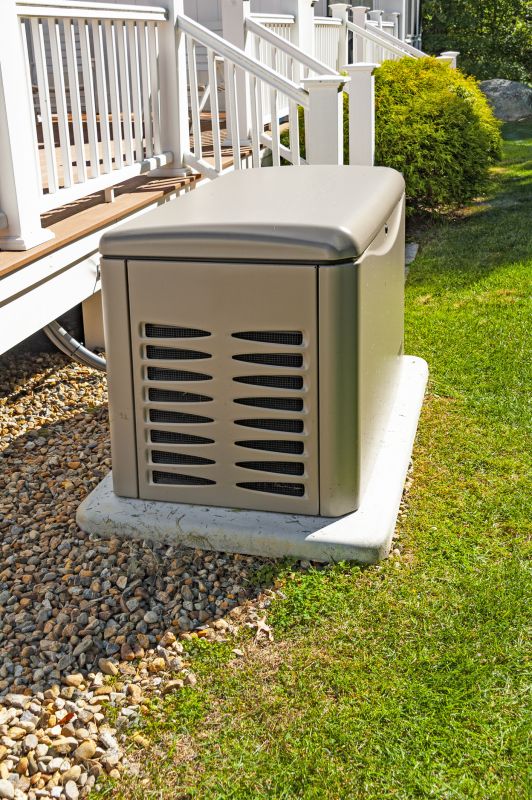
A residential backup generator positioned beside a home for easy access and reliable operation.
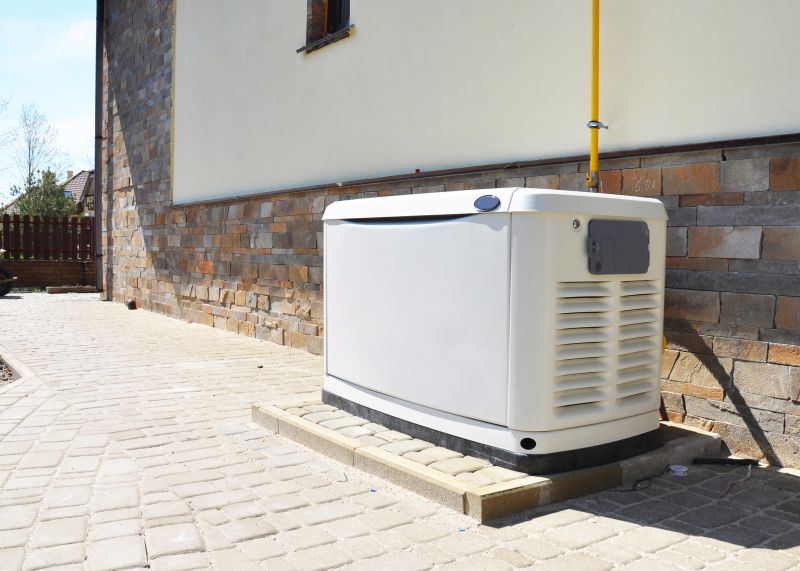
Close-up of electrical connections between the generator and the home’s electrical system.
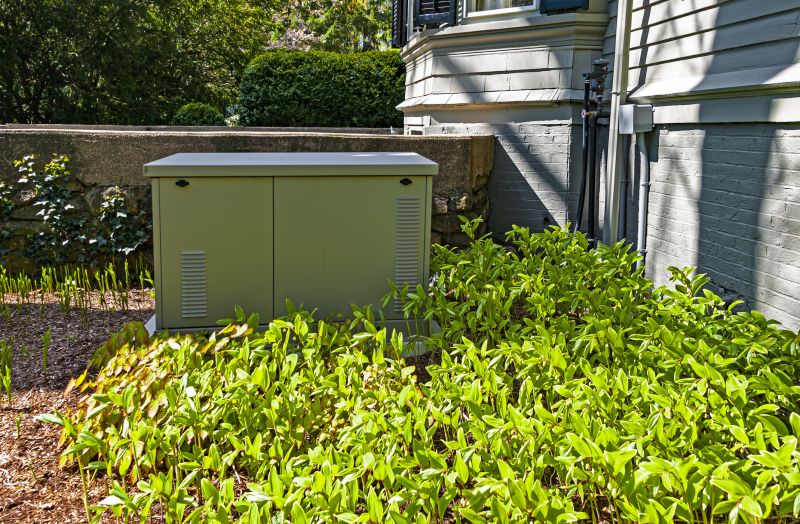
A backup generator integrated into a landscaped yard, blending functionality with aesthetics.
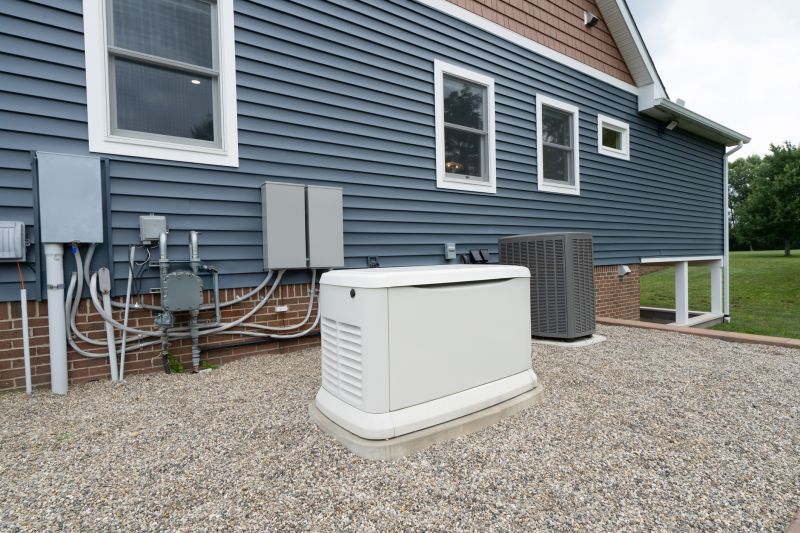
A residence equipped with a backup generator, ensuring continuous operation of essential systems.
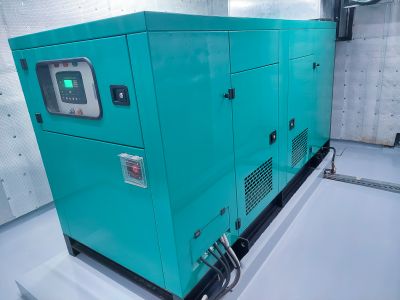
A control panel interface for monitoring and managing backup generator operations.
To explore options for backup generator installation tailored to specific needs, filling out a quick contact form can facilitate obtaining a detailed quote. This step ensures proper planning and investment in a reliable power backup system for residential properties.