Lightning Protection Systems for Safety
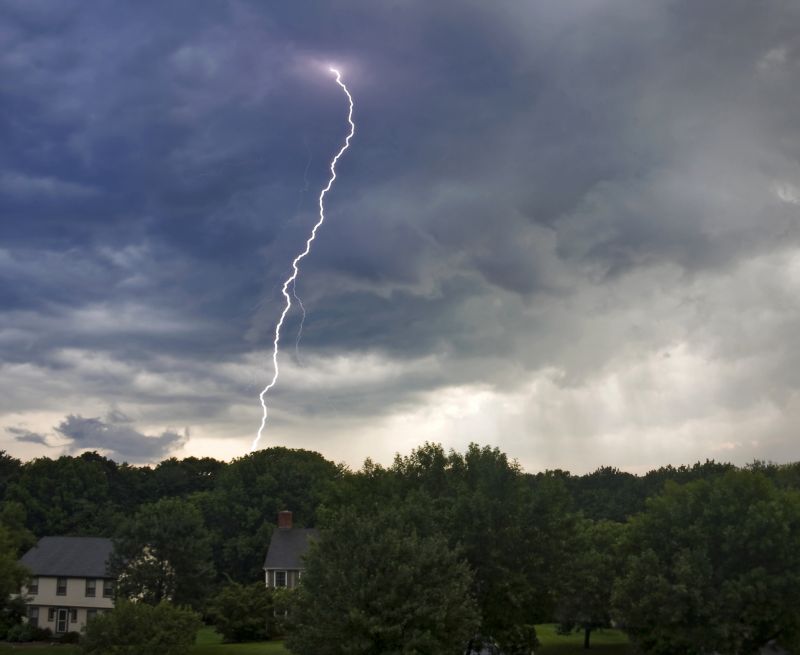
Lightning protection systems are most critical during thunderstorms, which can occur at any time of year. The risk of lightning strikes increases with weather conditions such as thunderstorms, high winds, and storm fronts. Implementing lightning protections proactively ensures safety and minimizes damage during unexpected strikes.
Statistics indicate that lightning strikes cause billions of dollars in damages annually and pose risks to property and safety. The highest frequency of lightning occurs during the warmer months, but storms can develop unexpectedly, emphasizing the importance of year-round readiness.
Storm seasons bring increased lightning activity, making it essential to have protections in place before storms develop.
Lightning can strike at any time, so continuous protection measures are recommended regardless of season.
Installing lightning protection systems before storm seasons ensures readiness and reduces risk exposure.
After storms, inspections help ensure lightning protection systems remain effective and undamaged.
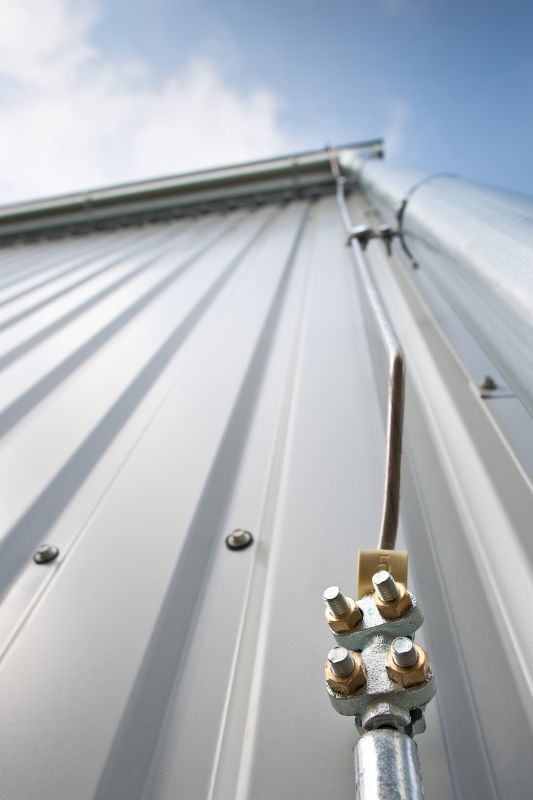
Ways to make Lightning Protections work in tight or awkward layouts.
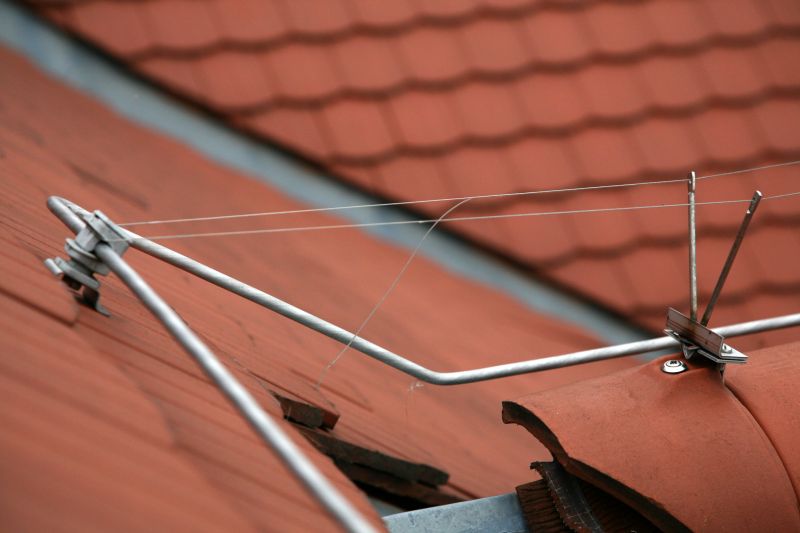
Popular materials for Lightning Protections and why they hold up over time.
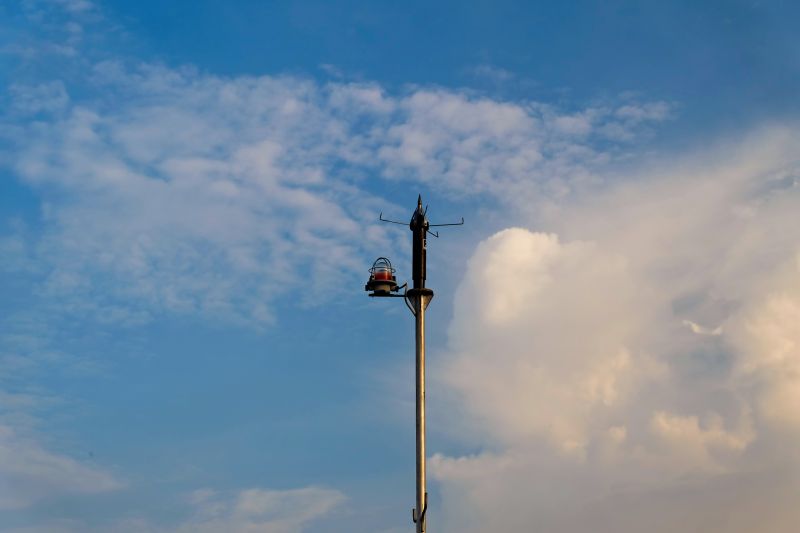
Simple add-ons that improve Lightning Protections without blowing the budget.
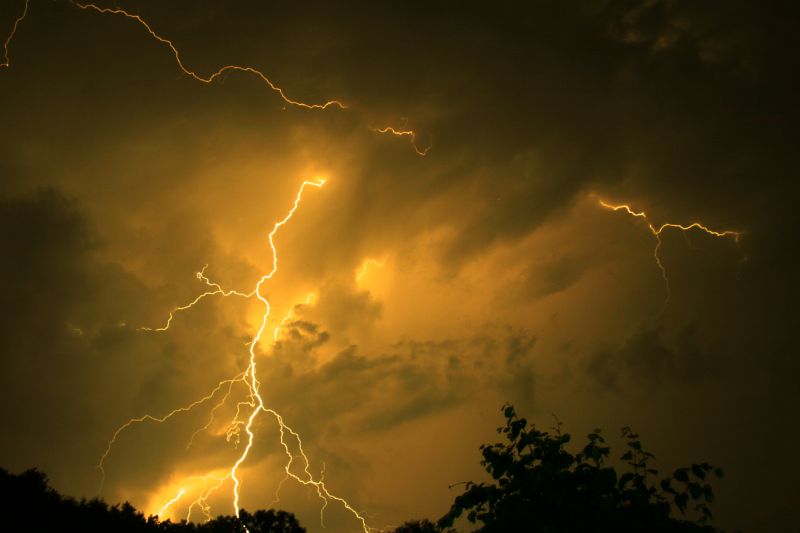
High-end options that actually feel worth it for Lightning Protections.
Finishes and colors that play nicely with Lightning Protections.
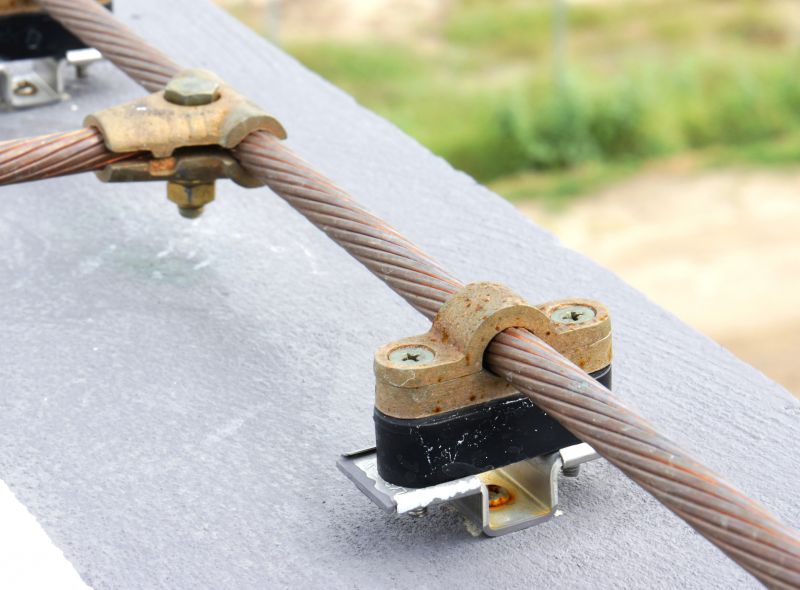
Little measurements that prevent headaches on Lightning Protections day.
| Season | Lightning Activity |
|---|---|
| Spring | Moderate to high |
| Summer | High |
| Fall | Moderate |
| Winter | Low to moderate |
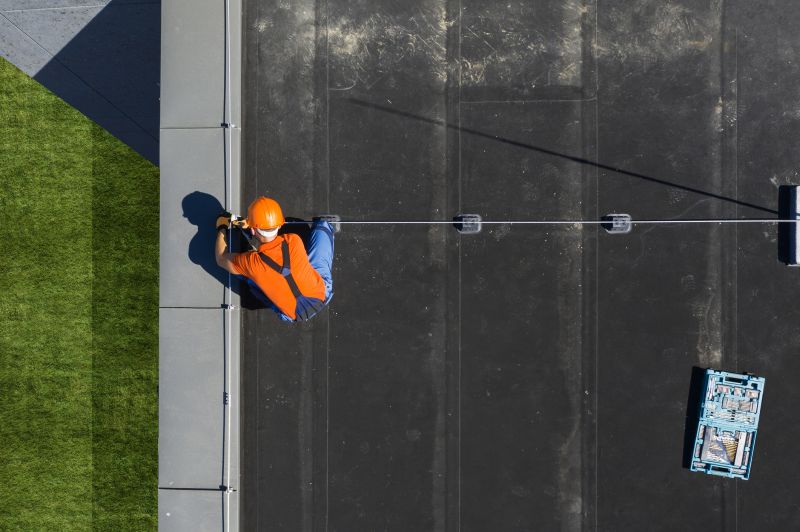
A 60-second routine that keeps Lightning Protections looking new.
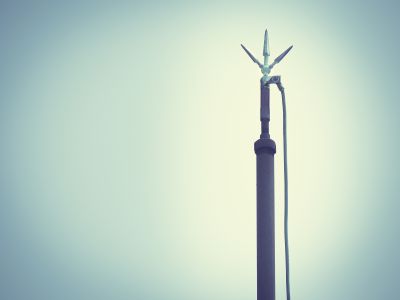
A frequent mistake in Lightning Protections and how to dodge it.
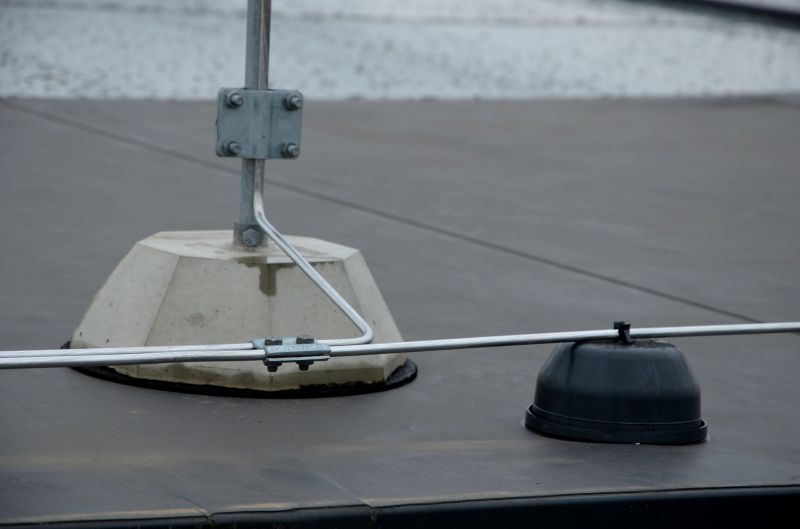
Small tweaks to make Lightning Protections safer and easier to use.
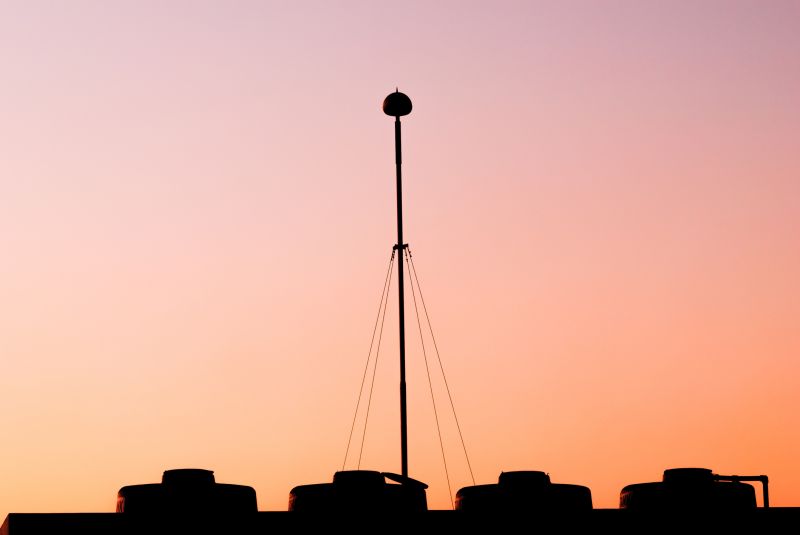
Lower-waste or water-saving choices for Lightning Protections.
Implementing lightning protections before the onset of storm seasons is essential for safeguarding property and ensuring safety. Proper system installation and maintenance can significantly reduce the risk of damage caused by lightning strikes. Continuous monitoring and timely inspections further enhance protection effectiveness, especially during peak storm periods.
For those interested in establishing or upgrading lightning protection systems, it is advisable to contact professionals for guidance and installation. Proper planning and proactive measures can mitigate risks associated with lightning strikes and protect valuable assets.